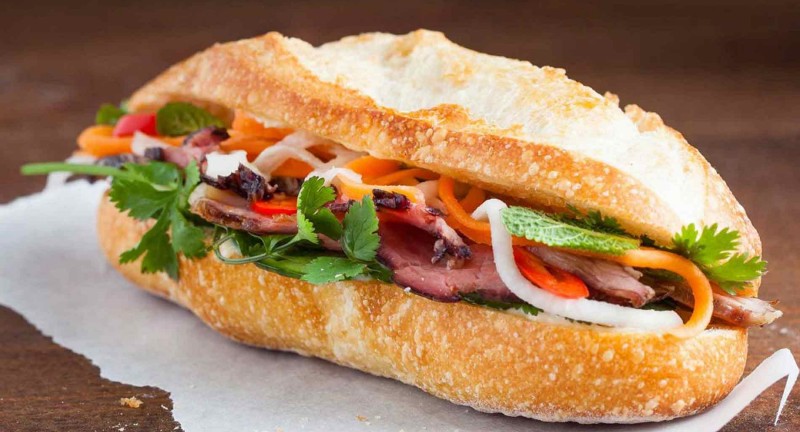
A Complete Guide to Bánh Mì in Vietnam
Few street foods have a story quite like bánh mì. It started as a borrowed idea, a French baguette introduced during colonial rule, and slowly, quietly, became one of the most iconic sandwiches in the world. Today, you can find bánh mì carts from Hanoi to Ho Chi Minh City, from Sydney to New York, each one carrying a little piece of Vietnam wrapped in crusty bread. But nothing beats eating one fresh off the grill, standing on a Saigon sidewalk at 7 in the morning. If you're visiting Vietnam and want to explore this dish beyond the tourist spots, this blog is for you.
A Brief History of Bánh Mì
The French introduced the baguette to Vietnam in the mid-19th century during their colonial occupation. At first, it was a food for the colonizers and the Vietnamese elite. But by the mid - 20th century, local bakers had adapted the recipe, adding rice flour to the dough to make the crust lighter and crispier, and the inside fluffier and less dense than the traditional French baguette.
What really made bánh mì Vietnamese, though, was the filling. Local vendors started loading the bread with ingredients they knew well: pâté, pickled carrots and daikon, fresh cilantro, sliced chilies, and various types of pork. By the 1950s, bánh mì had evolved into a distinctly Vietnamese dish, fast, affordable, and packed with contrasting flavors. Today, it's recognized globally as one of the greatest street foods on earth.

What Makes a Great Bánh Mì
There are a few things that every good bánh mì has in common, no matter where in Vietnam you eat it.
The Bread
The baguette shell is the foundation. It should shatter when you bite through it, crispy and golden on the outside, but the inside needs to be soft and airy, almost pillowy. Vietnamese baguettes are shorter and lighter than their French counterparts, typically around 20 - 30 cm. If the bread is too dense or too chewy, the whole thing falls apart. The best vendors bake their bread fresh every few hours.
The Pâté and Mayonnaise
These two spreads are what give bánh mì its unmistakable base flavor. The pâté is typically made from pork liver, blended with butter and spices. Some vendors use chicken or duck liver for a milder taste. The homemade mayonnaise, slightly tangy, creamy, balances the richness of the pâté and ties all the fillings together.
The Vegetables and Herbs
No bánh mì is complete without pickled vegetables. The classic combination is shredded carrot and daikon radish, lightly pickled in vinegar and sugar. Fresh cucumber slices add crunch, while cilantro and spring onion bring freshness. A few slices of fresh chili finish it off with heat, though you can always ask for less if you prefer.
Types of Bánh Mì You Should Try
Bánh Mì Thịt Nguội (Cold Cuts)
This is the classic version, the one most people think of when they picture bánh mì. It's filled with a mix of Vietnamese cold cuts: sliced ham, pork roll (chả lụa), and head cheese, all layered together with pâté, mayo, and vegetables. It's hearty, savory, and deeply satisfying. Popular across all regions, but especially in Saigon and Hanoi.
Bánh Mì Heo Quay (Roast Pork)
Instead of cold cuts, this version features freshly grilled or roasted pork, either sliced or in small chunks, placed hot inside the bread. The fat from the pork soaks slightly into the bread, making each bite rich and smoky. It's a good choice if you prefer something warm and more intensely flavored.
Bánh Mì Ốp La (Fried Egg)
A popular breakfast option, especially in the south. There are two styles: one where the fried egg is placed directly inside the sandwich, and another where the egg is cooked in a small pan with sausage, pâté, and onions, then served alongside plain baguettes for dipping. Bánh Mì Hoa Ma in Saigon is the most famous place for this style.
Bánh Mì Xíu Mại (Meatballs)
This version is popular in Đà Lạt and Ho Chi Minh City. Small pork meatballs are simmered in a tomato-based sauce with herbs and spices, then served inside or alongside the baguette. It's a saucier, messier option, eat it over a tray or you'll lose some on your shirt.
Bánh Mì Gà (Chicken)
Grilled or shredded chicken replaces the usual pork. Less common than other varieties, but available at most larger bánh mì stalls. A lighter option if you're not big on pork.
Bánh Mì Bột Lọc (Clear Dumpling)
This is a regional specialty from Huế in central Vietnam. The filling includes translucent steamed dumplings filled with shrimp or mung beans, chewy, slightly sweet, and very different from anything you'll find elsewhere. It's worth seeking out if you're passing through the region.
Bánh Mì Chay (Vegan)
Vietnam has a large Buddhist population, and vegan food is taken seriously here. Vegan bánh mì uses mushroom-based or tofu fillings in place of meat, and replaces the pâté with plant-based alternatives. The pickled vegetables, herbs, and fresh chili remain the same. You'll find dedicated vegan bánh mì stalls in most major cities.
Regional Differences
Bánh mì tastes different depending on where you eat it in Vietnam, and that's part of what makes exploring it so much fun.
In Ho Chi Minh City, the sandwiches are generous, thick with fillings, rich with pâté and mayo, and often loaded with cold cuts. If you like big, hearty flavors, this is your city.
In Hội An, bánh mì is smokier and slightly spicier. The most famous version here uses a special grilled meat that you won't find anywhere else, and the stalls tend to add more herbs and vegetables than their Saigon counterparts.
In Hanoi, bánh mì is simpler and more restrained. Less filling, more bread, closer to the original French influence. The flavors are subtler, and the sandwiches are often eaten as a quick breakfast on the way to work.
In Đà Nẵng and central Vietnam, look out for bánh mì que, a thinner, stick-shaped version of the bread, dipped in sauces or filled with just a few simple ingredients.
Where to Try the Best Bánh Mì
Ho Chi Minh City
Bánh Mì Huỳnh Hoa is probably the most famous bánh mì stall in Saigon. Expect a queue, especially in the evenings, but it moves fast. The sandwiches here are enormous, packed with cold cuts, pâté, and a generous helping of everything else. Be ready to eat standing up.
- Address: 26 Lê Thị Riêng, Quận 1
- Hours: 11:00 AM - 9:00 PM
- Price: 40,000 - 60,000 VND
- Must try: Bánh mì đặc biệt (special cold cut)
Hanoi
Bánh Mì Pate Lãn Ông is among the oldest bánh mì stalls in the capital. Simple, unpretentious, and made with traditional recipes that haven't changed much over the years. A good place to experience Hanoi-style bánh mì at its most authentic.
- Address: Multiple locations in Hoàn Kiếm District
- Hours: 8:30 AM - 10:00 PM
- Price: 30,000 - 55,000 VND
- Must try: Pâté bánh mì
A Few Tips Before You Go
- Go early. The best stalls often sell out before noon, especially on weekends.
- Eat it fresh. Bánh mì is at its best within a minute or two of being made. The bread starts to soften quickly once the fillings go in.
- Ask for it spicy (cay) or without chili (không ớt) depending on your tolerance.
- Don't be shy about trying the cheaper stalls. Price doesn't always equal quality here, some of the best bánh mì in Vietnam costs less than a dollar.
- Look for the bread. If the baguette looks freshly baked and golden, that's a good sign. Pale or soft-looking bread is usually a warning sign.
Bánh mì is one of those rare foods that manages to be fast, affordable, and genuinely delicious all at once. It's a dish that tells the story of Vietnam in a single bite, a little French, a little local, and entirely its own thing. Enjoy exploring it.